
WorkSafe Victoria’s latest alert on falling loads, and what I learned walking factory floors as an inspector.
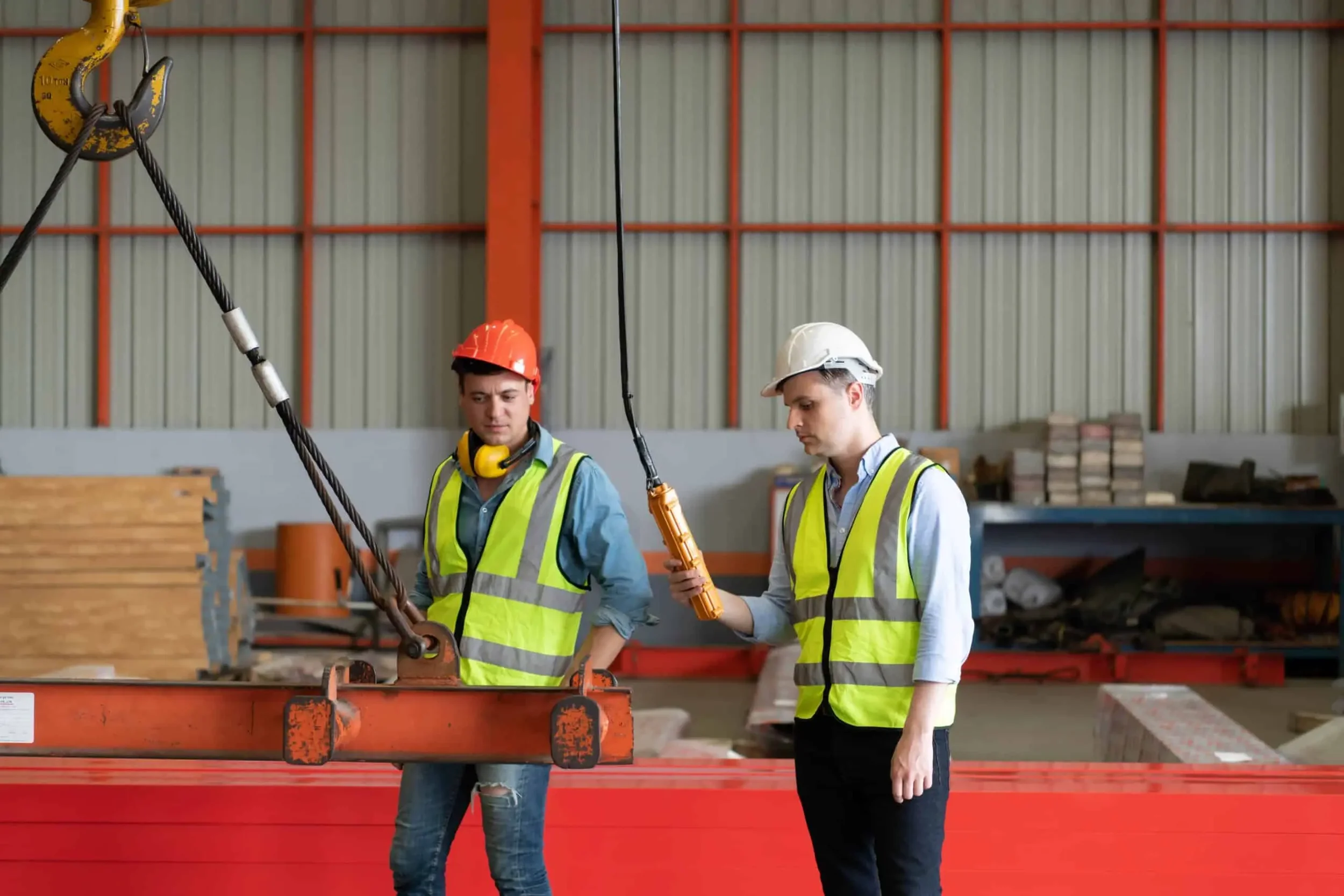
On 28 October 2026, WorkSafe Victoria issued a safety alert reminding employers to control the risk of falling objects when lifting, lowering or suspending loads. If you run a Victorian manufacturing business with an overhead crane, a gantry, a hoist or a forklift with a jib, this one is written for you.
It lands in a year when manufacturing is firmly in the regulator’s sights. WorkSafe’s Project 3175 notes the industry makes up about 8% of the Victorian workforce but roughly 14% of workplace deaths and injury claims over five years, with 57 manufacturing deaths since 2021.
What the regulator is telling you
Manufacturing is one of five priority industries in WorkSafe’s Statement of Regulatory Intent for 2026/27, part of a push to cut deaths by 30% and injuries by 20% by 2030. In the Dandenong hotspot alone, inspectors made 341 visits to 225 manufacturing sites and issued 272 improvement notices covering plant, guarding, manual handling and dangerous goods.
Inspectors are already in manufacturing workplaces in numbers, and lifting is now front of mind.
What I saw as an inspector
WorkSafe’s own Chief Health and Safety Officer said inspectors kept hearing that things were done a certain way because it was industry practice. I heard that line for years. It was almost always said standing next to a load hanging off a hook that nobody had weighed.
The pattern was always the same. The gear had been fine for years, so nobody looked at it. The person doing the lift had been trained by the person before them. And the exclusion zone existed on paper, not on the floor. Falling-load incidents rarely come from one big failure. They come from small things everyone has stopped seeing.
Why you should fix it now, not after the visit
When an inspector finds a lifting risk, you deal with it on their timeline. That can mean an improvement notice, a prohibition notice that stops the crane, and a production line sitting idle while you scramble for an inspection or new rigging.
Fixing it yourself means you choose the timing, the budget and the solution that suits your operation. It also means your people go home in one piece, which is the only reason any of this matters. This week, walk your floor and ask three questions at every lift point:
Has this crane, hoist and all its lifting gear been inspected by a competent person, and can I see the record?
Do we know the weight of what we lift, and is the gear rated for it?
Is there a marked exclusion zone, and does anyone ever stand under or beside a suspended load?
If any answer is “I’m not sure”, that is your starting point.
How Highline helps
I spent over 15 years with WorkSafe Victoria across high hazard industries, so I know what an inspector looks for and how a notice gets written. At Highline, I use that experience to help manufacturers find the gaps before the regulator does.
We review your lifting equipment records, observe real lifts on the floor, set practical exclusion zones and safe work methods, and train your supervisors to hold the line. No shelf-ware, just controls your people will actually use. If you want to get ahead of your next inspection, book a lifting and plant risk review with Highline.
This article is general information only and is not legal advice. Refer to the original WorkSafe Victoria alert and guidance for full details.